If you're new to commercial driving, the alphabet soup of CDL classes can be confusing. The good news: for most people the choice comes down to two options — Class A or Class B — and the difference is mostly about what you'll tow and how far you want to go.
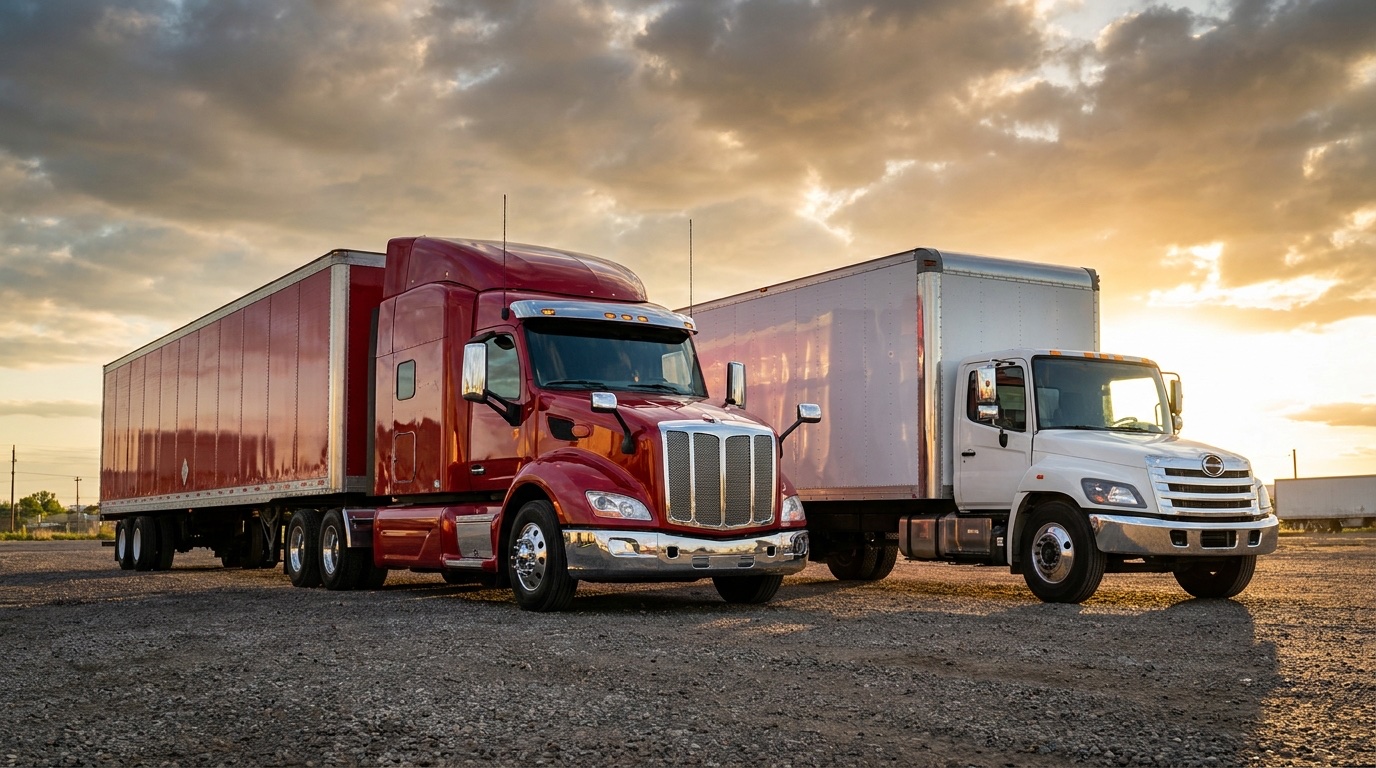
What a Class A CDL lets you drive
A Class A CDL is required to operate a combination of vehicles with a gross combination weight rating (GCWR) of 26,001 pounds or more, where the vehicle being towed is heavier than 10,000 pounds. In plain English, that's the classic tractor-trailer: a semi truck pulling a large trailer.
Class A is the most flexible license you can hold. Because of how the endorsements stack, a Class A holder can typically also operate most vehicles that only require a Class B. That flexibility is a big reason it's the most popular program we run.
- Tractor-trailers and 18-wheelers
- Flatbeds, tankers, and car haulers
- Most Class B vehicles, too
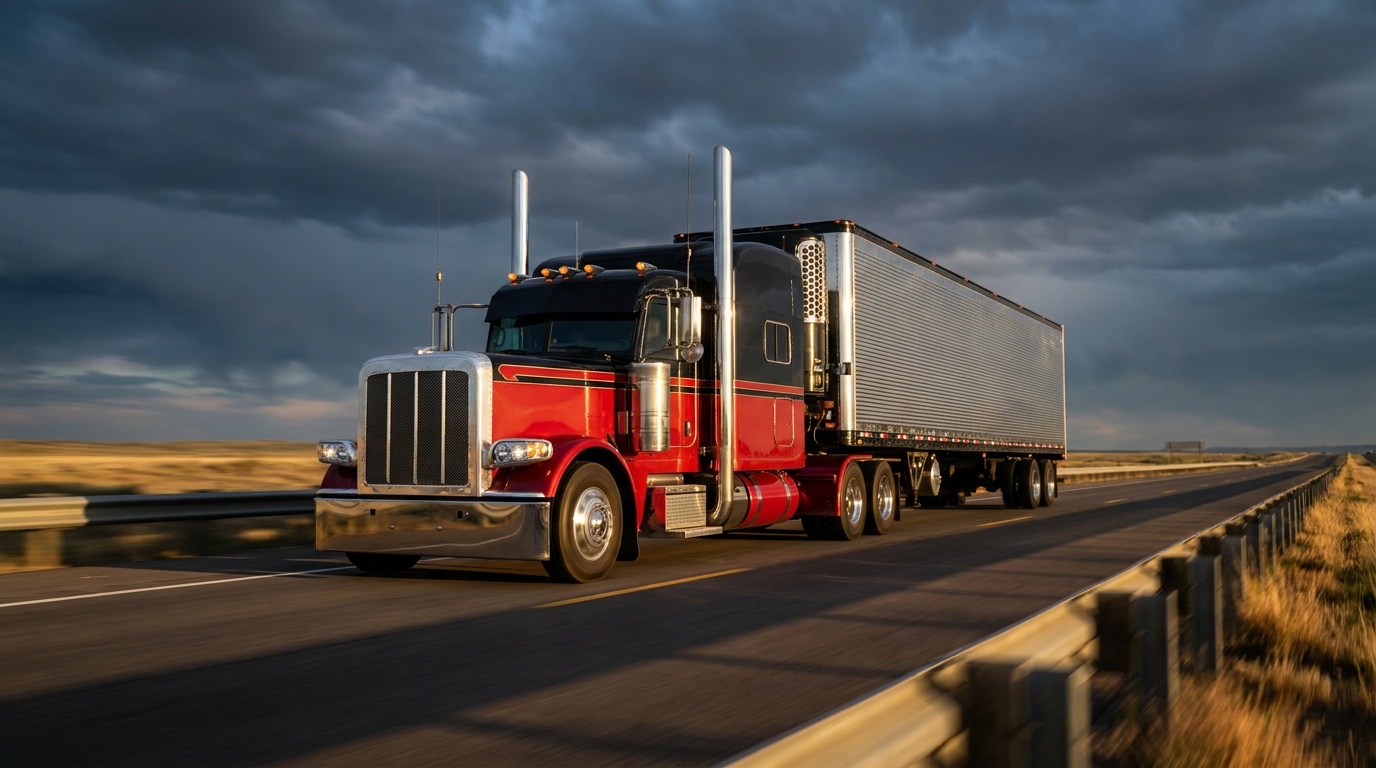
What a Class B CDL lets you drive
A Class B CDL is required for a single vehicle with a gross vehicle weight rating (GVWR) of 26,001 pounds or more, or that vehicle towing a unit not heavier than 10,000 pounds. These are typically large straight trucks where the cab and cargo area are one piece.
- Box trucks and straight trucks
- Dump trucks and garbage trucks
- City and school buses (with the right endorsement)
- Delivery and local distribution vehicles
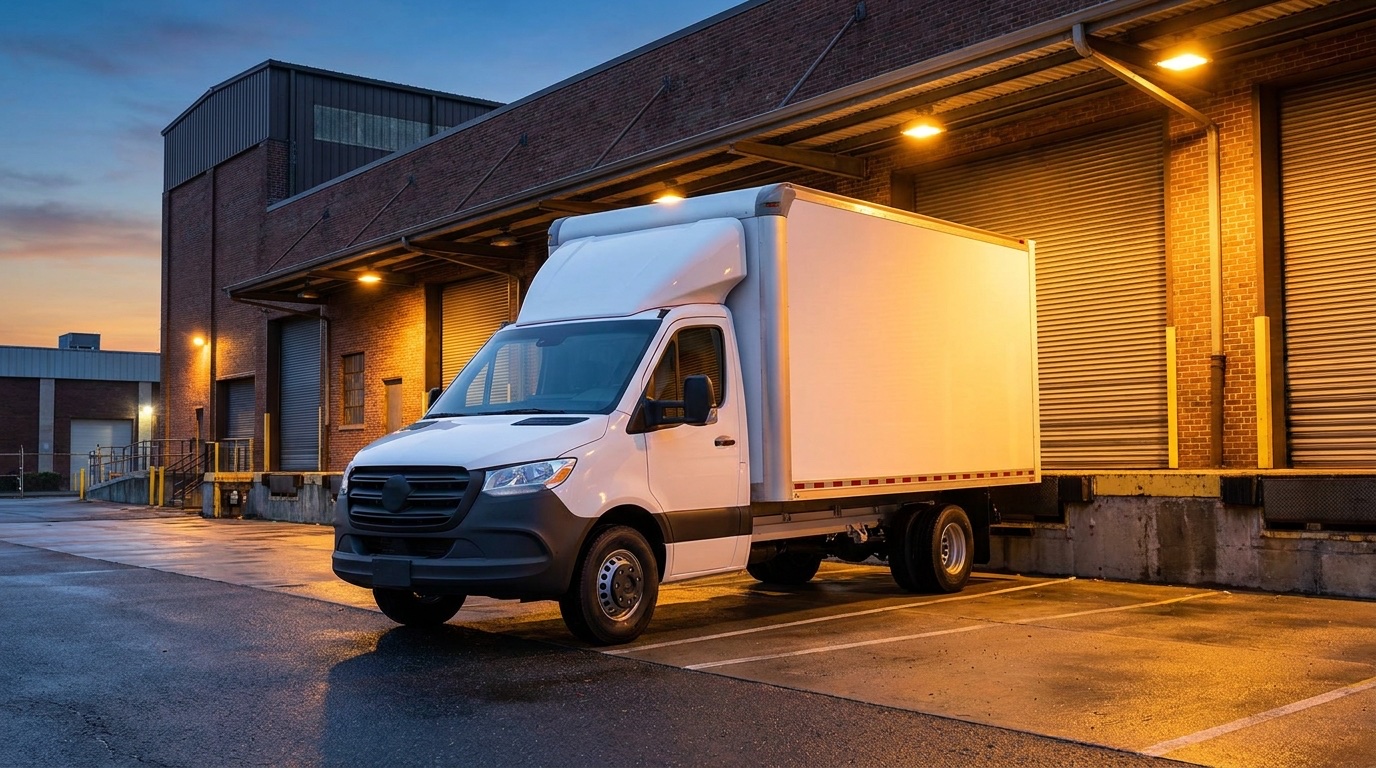
The job and pay difference
Class A jobs tend to involve the longest routes — regional and over-the-road (OTR) freight — and they generally sit at the higher end of the pay scale because the work demands more skill and time away from home. Class B jobs are more often local and home-daily: think delivery routes, municipal work, and transit.
Neither is "better." A Class B job that gets you home every night can be exactly right for someone with family commitments, while a Class A OTR job can pay more for a driver who wants to maximize earnings. Pay varies by employer, route, endorsements, and experience.
How to choose
Ask yourself three questions:
- How far do you want to drive? Home every night points to Class B; longer regional/OTR points to Class A.
- What's your earning goal? Class A generally opens more (and higher-paying) doors.
- Do you want maximum flexibility? Class A keeps the most options open since it covers many Class B vehicles too.
Still unsure? That's completely normal — and it's exactly what we help with. At TruckMaster we'll talk through your goals, your schedule, and the local Central Florida job market, then point you to the program that fits. We offer Class A (manual and automatic), Class B (automatic), restriction removal, and ELDT theory and behind-the-wheel training.
Not sure which CDL fits?
Talk to a TruckMaster advisor in Apopka, FL — we'll help you choose and reserve your training spot.